Patient Initiated Follow Up (PIFU)

Lymphoedema Wales Clinical Network on
Patient Initiated Follow Up (PIFU)
Lymphoedema is a long-term condition that will require ongoing management to maintain improvement and prevent the condition from getting worse. Self-management are treatments that you have been taught by your Lymphoedema Service that you can do yourself to keep well. Some patients who are happy to self-manage their condition can be safely discharged to a Patient Initiated Follow Up (PIFU) to the Lymphoedema Service.
 What does Patient Initiated Follow Up (PIFU) mean?
As you are managing your lymphoedema, you no longer need to come into the Lymphoedema Service on a regular basis. PIFU is a process which encourages patients to arrange their own follow up appointments as and when they need them, rather than booking routine follow up appointments at regular intervals such as every six or twelve months. However, if you are worried about your lymphoedema, require a new compression garment, or notice any changes to your lymphoedema, then you just contact the Lymphoedema Service. You do not need to be referred by someone else, you can just phone your Lymphoedema Service for guidance and support. There is no time limit to when you can ring us again but if it has been longer than two-years we will have to see you before we issue any new compression garments.
 What should I do to keep well?
- Skincare: you should continue with regular washing, drying, and moisturising of your skin. Use a moisturising cream of your choice. If you have been recommended a medical cream, this can be provided on prescription from your GP (General Practice).
- Move your body: continue doing the activities agreed with your therapist. Keeping physically active is important to help you manage your lymphoedema, and an active lifestyle is encouraged. Moving a few more steps, taking the stairs instead of the lift, bit of dancing, anything that gets us moving is good. If you want to increase your activity some GP Surgeries can refer you to the National Exercise Referral Scheme.
- Weight management: being overweight can make your swelling much worse. Try to maintain a normal BMI of 25. Seek advice and guidance from your GP if you are struggling to maintain a normal weight. Lots of GP Surgeries now have access to Slimming Clubs or NHS Weight Management groups that you can try for free.
- Massage: if you have been taught any massage techniques by your therapist and you find it does help then continue when you can.
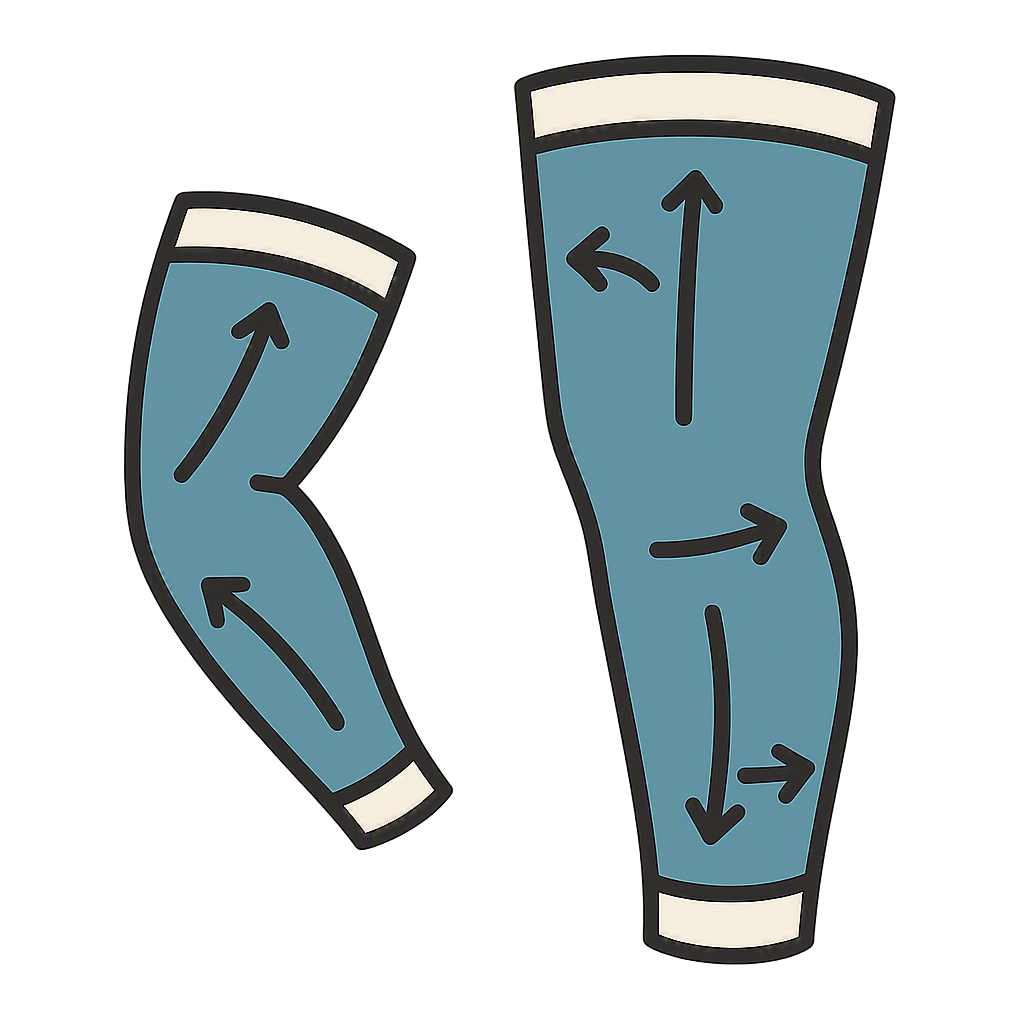
- Compression garments: use a clean garment every time you wear it. Follow the washing instructions provided with the garment packaging. You can wash the garments in the washing machine. Do not use damaged garments, for example if they have holes or ladders, as it will not provide the right compression for your lymphoedema. Some patients may continue to use their garments daily whereas others only a few times a month.
Remember you are in charge of your self-management, but if you have any questions, we are available to help.
 How do I get new compression garments?
If you need replacement garments, please phone your Lymphoedema Service. Please leave a message on the answer machine should no-one be available to take your call. The message needs to include your full name and telephone number, along with a short message of what help you need.
A member of staff will phone you back and ask you some questions regarding your general health, lymphoedema and garments. If this phone call does not identify any concerns regarding your lymphoedema or the compression garments you are using, we will order your garments and ask you to pick them up from the clinic.
You will have been given PIFU information by your Lymphoedema Specialist with details of the compression garments that you were given (as below):
| Company: | Code: | Size: |
| Compression: | Style: | Garment Colour: |
If we have not seen you in more than two years, we may need to have a longer conversation about your health and lymphoedema. If your weight or swelling has increased, then it may mean that we will have to see you face-to-face or arrange a virtual appointment.
 Think you may have cellulitis (infection)?
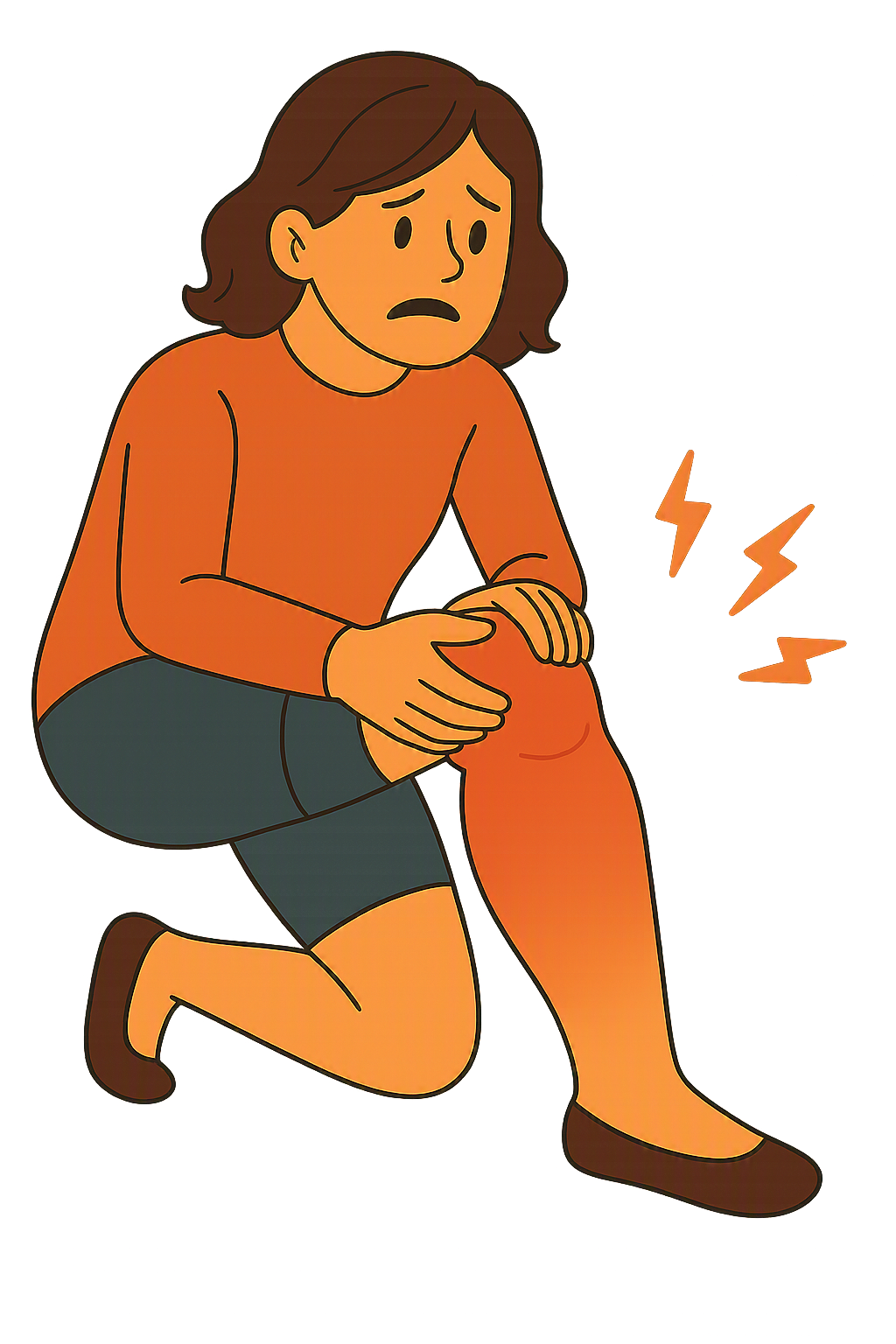
Cellulitis is a skin infection that can occur if you have lymphoedema. The signs and symptoms of cellulitis are:
- The area will be red or there is a rash,
- It is hot to touch compared to the opposite side,
- Is usually tender or painful,
- Increase in your swelling,
- You may feel generally unwell (as if you have the flu), or have nausea and/or vomiting.
If you think you have cellulitis, it is especially important that you seek medical help immediately from your GP. If you notice these symptoms out of hours, contact your out of hours GP service. It is important to act quickly to prevent the infection from getting any worse, and to prevent further damage to your lymphatics.
You will need antibiotics as soon as symptoms occur, and you must take them for no less than two weeks. Please contact your Lymphoedema Service to inform them of this infection and to agree a date for a review appointment.
The telephone number for your local Lymphoedema Service can be found here: lwcn.nhs.wales/about-us/contact-details/
 What else can help me?
We have extensive range of video films that can help with self-management. Scan the QR code below or type in the following link: www.medic.video/w-lymph