Holidays


 Before you go:
Tip 1. Plan and prepare to help get the best from your holiday or day trip.
Tip 2. It is safe to travel and fly. If you have lymphoedema you should wear your compression garment before, during and after the flight. If you are only at risk of lymphoedema then there is no evidence for you to wear compression to reduce your risk.
Tip 3. Check your prescribed medicines. Make sure you pack enough for when away and check the rules for taking medicines abroad using the link below. If you have had a history of cellulitis (skin infection) talk to your therapist or GP about options when abroad.
Tip 4. Plan the destination and time of year that suits you – perhaps cooler months might suit you better.
Tip 5. Speak with the travel company, hotel or airline to understand what support might be available. For example, you might be able to access ground floor accommodation or support with getting around the airport.
 When you are there, remember:
Tip 6. Skin care is a key part of your daily self-management and can be even more important when on holiday.
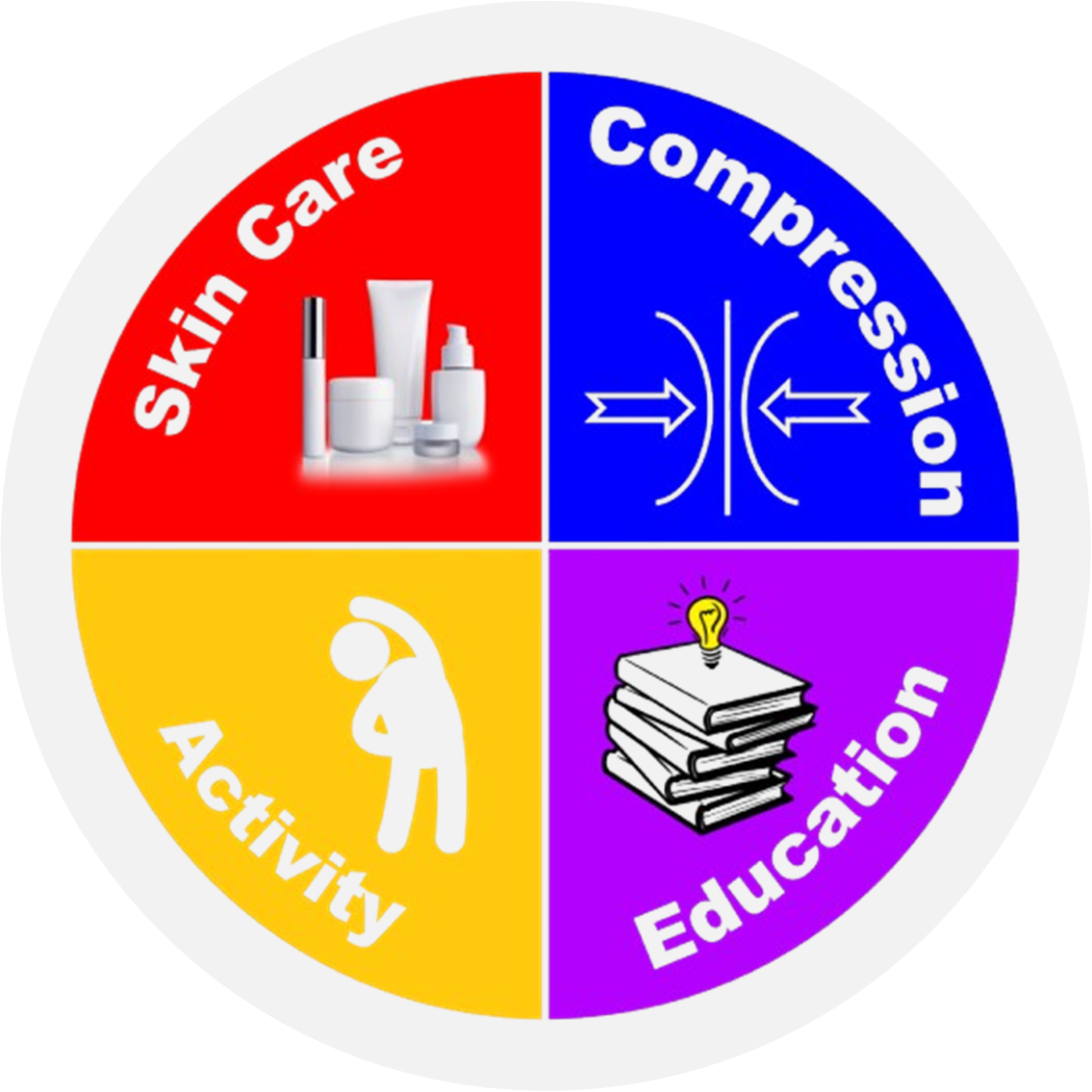
- Your compression garment will not protect you from the harmful rays of the sun. It is best to wear sunscreen under your compression.
- Your skin can dry out more easily after swimming due to chlorine or salt. Take a shower to rinse your body. Apply moisturiser and sunscreen regularly.
- Antiseptic cream and insect repellent can also help reduce your risk of a skin infection.
Tip 7. Wear your compression and take spares. If the weather is hot you could try:
- If you have a fridge, put your compression (and moisturiser) in a clean bag in the fridge so they are cooler when you put them on.
- Ask your therapist about cotton-based compression or layering your garments if your lymphoedema is severe.
- Wearing your compression in the evening or at night when it is cooler.
- It is up to you if you want to wear your compression when swimming. You might find the water on its own provides a gentle compression on your body.
Tip 8. Find the right clothing to keep you comfortable. Wear loose cotton clothes to keep cool and look at our shoe and clothing leaflets for more hints and tips.
Tip 9. Keep moving and remember your massage. There might be some new activities for you to try. Swimming or walking in the pool can help with your lymphoedema and help you cool off. Try to cover your legs if walking in long grass to minimise risk of cuts, scrapes or insect bites.
Tip 10. When you are not moving, try to put your feet up when you can. After all you are on holiday!
 Other Resources:
Our patient group have put together a list of websites they have used. It is not exhaustive and we would love your feedback if you have found one that you would recommend.
Carers: If yo u are taking day trips, some places might offer reduced costs for assistants or carers. Remember to ask in advance. You check with the venue or search using websites like this: carers.org/out-and-about/days-out
Travel insurance: Getting the right cover is important, so make sure you provide accurate information. Think ahead and right down your medical history. You can shop around and try different providers. Independent insurance brokers and comparison websites can help.
Find out about the restrictions when taking medicine abroad:
www.gov.uk/take-medicine-in-or-out-uk
Take your Global Health Insurance Card (GHIC) if you’re travelling to any of the destinations mentioned, as it can help you get healthcare: www.nhs.uk/using-the-nhs/healthcare-abroad/apply-for-a-free-uk-global-health-insurance-card-ghic/
Please note the links on this leaflet open a page on a third party site and some content may not be available in Welsh.