Reducing the Risk of Developing Lymphoedema in your Arms and Chest

The information and advice on this page will help you reduce the risk of developing lymphoedema.
 What is lymphoedema?
Lymphoedema is a persistent swelling of any part of the body but is more commonly seen in the arms and the legs. This swelling is a collection of fluid within the tissues under the skin, which cannot be drained by a needle. This fluid, known as lymph, is colourless and odourless but is rich in protein. This high protein can cause dryness of the skin. There is no cure to lymphoedema, but once diagnosed, it is manageable.
 Why are you at risk of developing lymphoedema?
This may be because you have recently had surgery or treatment where the lymph nodes in your lymphatic system have been removed or treated with radiotherapy. Damage to the lymphatic system alters normal lymphatic drainage and flow.
The risk of lymphoedema does increase if you have had all your lymph nodes removed and you have had radiotherapy. It also increased if you are overweight and/or have repeated skin (cellulitis) or wound infections. Lymphoedema can occur at any time even many years after your surgery or radiotherapy.
 If I have lymphoedema, what symptoms can I expect?
Often after surgery inflammation occurs and is a natural response to healing, however if the swelling does not improve after 3 months then this could be lymphoedema. You may find that your jewellery or clothing may feel tighter than usual.
You may find that your affected limb may feel heavy and give you some discomfort. Tightness of the skin can also be an early symptom. Similarly, weight gain can also cause related symptoms to lymphoedema.
 How can I reduce my risk?
There is a lot you can do to try to reduce the risk of lymphoedema occurring. It must be considered though that some people will get lymphoedema whatever they do and this may be due to your genetics. The following suggestions are based on what you can do:
 1. Weight Management
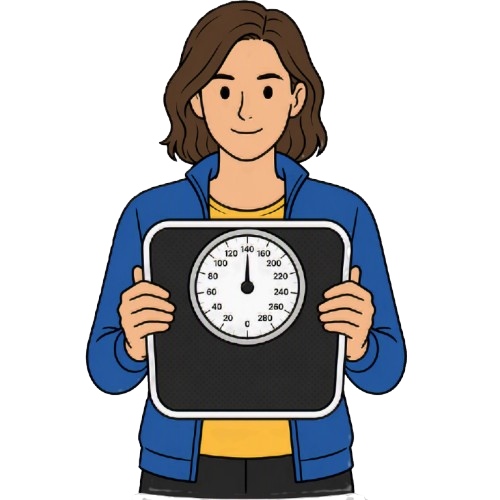
Being overweight and gaining weight and is the biggest risk factor in developing lymphoedema. In order to reduce your risk of lymphoedema it is important to maintain a good healthy diet.
If you are unsure what a ‘normal’ weight for you should be, ask a health care professional or look at some NHS Better Health/Lose Weight websites.
 2. Movement and Exercise
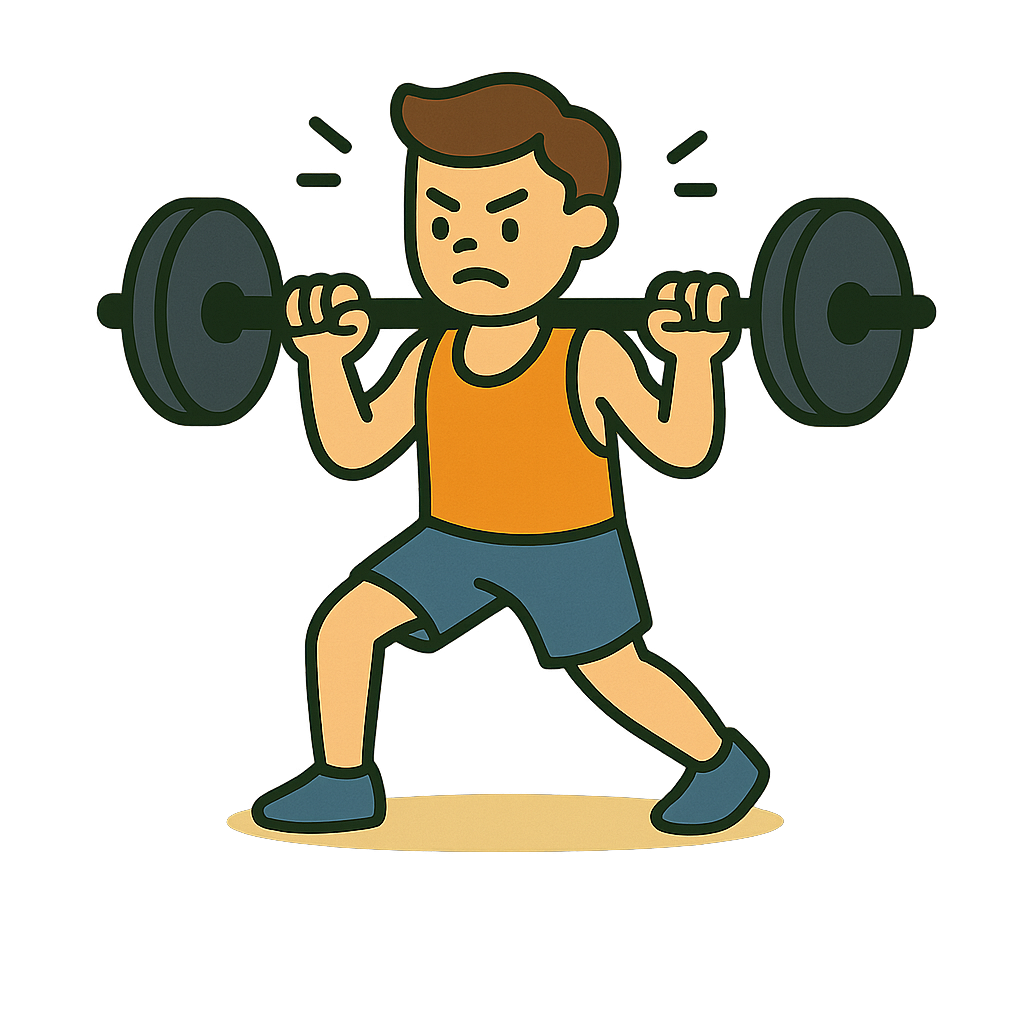
Gentle movement, exercise and activities will help the muscles pump lymph fluid more effectively through your body. Movement helps you improve and maintain flexibility and keeps your bones strong. Being active can help you achieve and maintain a healthy weight and may improve your emotional wellbeing.
Activities such as walking on the spot or going for a walk are ideal, as are swimming, cycling, bowling, gardening, housework and even shopping. Basically, move your body more. If your mobility is limited, you can still move your body while sitting in the chair. Pacing yourself is important. Set yourself personal and achievable goals. Sometimes keeping a record of how much activity you do can be beneficial.
Try to do a little every day and build up to about 30 minutes of activity / exercise, 5 days a week. If you are used to exercising, it is a good idea to go back to what you had been doing - BUT start gradually and build up on a day to day basis. If you go to a gym or exercise class, remember to listen to your body. Discuss your condition with your instructor so that they can adapt the quantity or intensity of exercise you do if necessary.
Breathing exercises are also shown to be important in improving lymphatic drainage. Singing and laughing yoga can be helpful.
 Exercises to Encourage Lymph Drainage
- Repeat 10 times both sides
- You can increase the number of repetitions as you get stronger
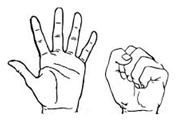
Open and close your hand |
|
|
|
|
|
|
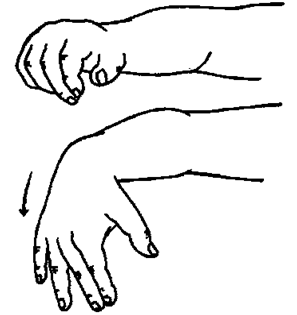 Move your wrist forward and back
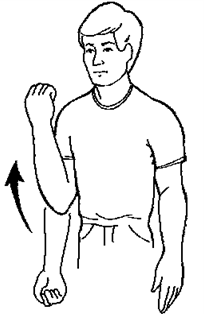 Bend and straighten your elbow
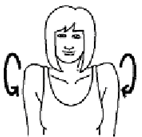 Roll your shoulders in a forward direction. Now repeat rolling your shoulders backwards
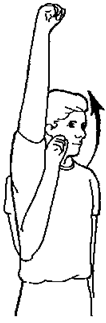 Lift your hand up toward the ceiling and gently lower back down
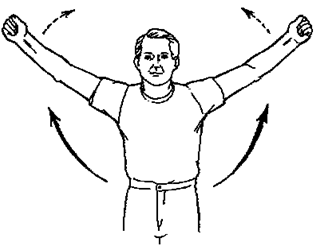 Raise arms from your side up above your head and gently lower back down
 3. Look after your skin
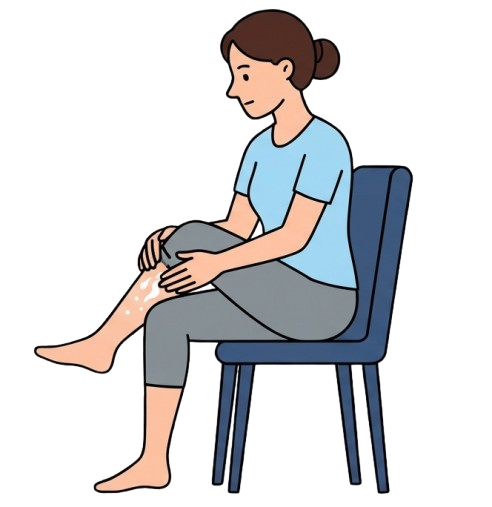
Skin care is important, because it helps reduce the risk of infection, which may trigger the development of lymphoedema.
• Wash your skin daily with warm water and soap.
• Dry your skin thoroughly especially between the fingers and underneath your breasts.
• Apply moisturising cream to your skin to prevent it from dryness.
• When cutting your nails take care not to damage the cuticles (skin around your nails).
• Prevent sunburn by using a high factor sun cream.
• Use insect repellent if prone to bites.
• Use clean razors as rusty blades can cause nicks/cuts in the skin.
• Daily skin care will help you to reduce your risk of infections, such as cellulitis.
 What is a cellulitis Infection?
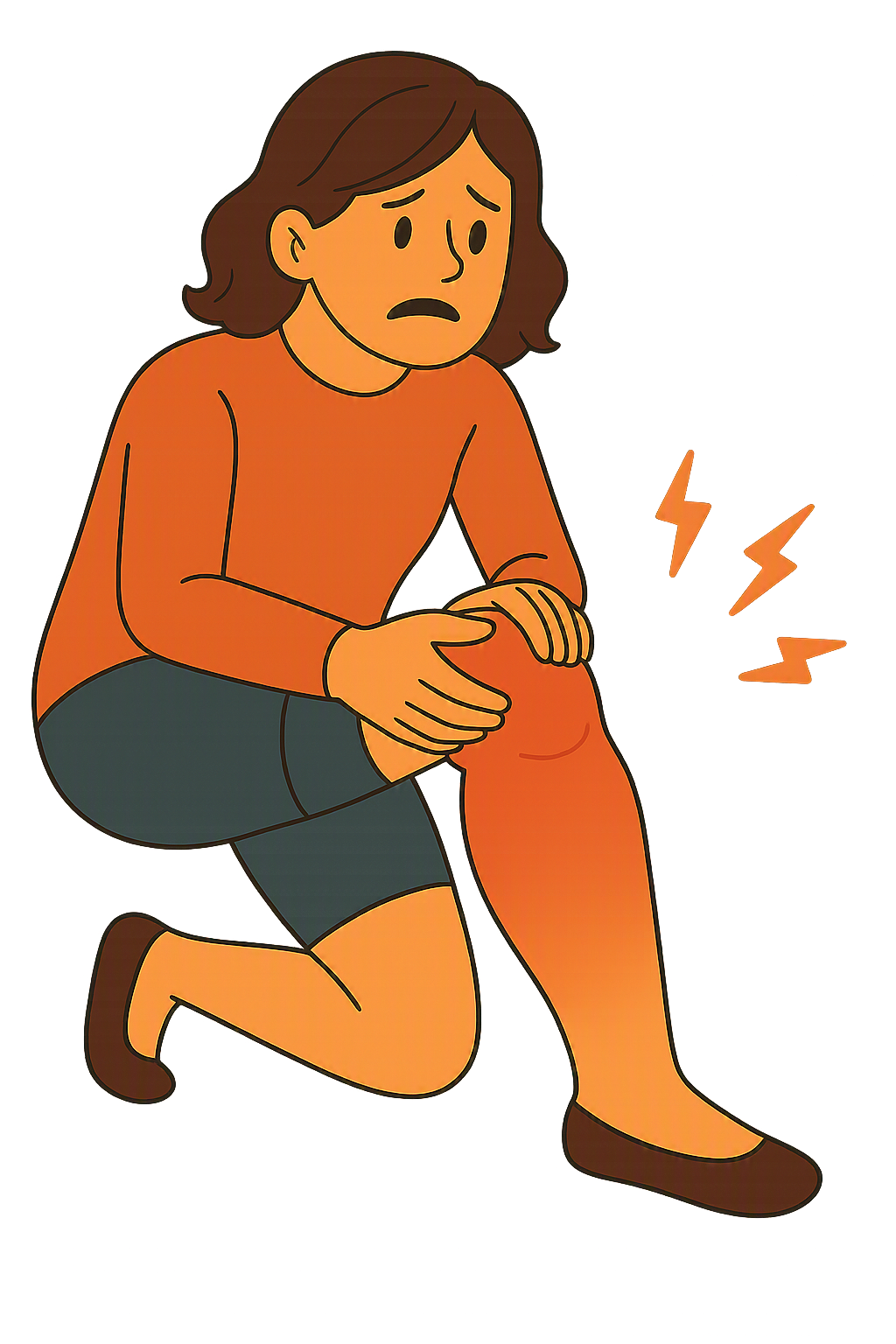
Cellulitis can start as a rash or your skin becomes red, hot to touch, and may be tender or painful. You may develop swelling and you may feel generally unwell as if you have the flu.
If you think you have an infection, seek medical help immediately from your GP. If you notice these symptoms out of hours, contact your out of hours GP service. It is important to act quickly to prevent the infection from getting any worse. You will need antibiotics as soon as symptoms occur and if you have lymphoedema you might need to take them for two weeks. You should always take the full dose of the antibiotics as prescribed.
 What should I do if I have a cut or scratch my skin?
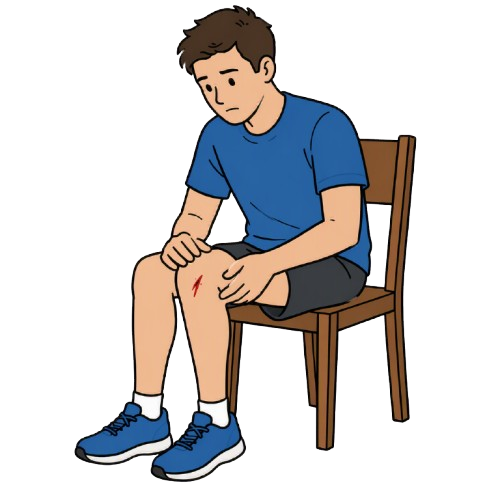
Any trauma or injury to your skin could increase your risk of infection and developing swelling.
Treat all cuts, grazes, burns and bites with the following steps:
1. Clean the area well with water
2. Use an antiseptic solution or cream if possible
3. Cover with a sterile dressing or plaster if necessary
You only need antibiotics if you have any of the symptoms of a cellulitis infection. If in doubt, seek medical advice.
 Scars and skin care
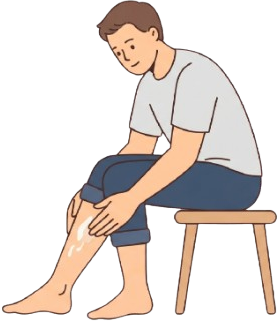
Following surgery or trauma, you may have scars that could affect your lymphatic system. All scars look different during the healing phase. It is important that you clean your scar and touch the surrounding skin every day. Once your scar has healed, use a lanolin-free cream or oil and gently rub this into your scar in a circular motion.
Numbness, pins and needles, hypersensitivity, and stabbing pains are all different forms of nerve irritation that can happen following surgery. Cord-like structures (cording) can cause restriction of movement up to six-month post-surgery. Sometimes these cords can ‘snap’ naturally, during activity – there is no need to be worried or alarmed if this does happen. Massage and exercise can really help with relieving these symptoms.
 4. Dispelling the myths about risk reduction
• Research used to suggest that you had to avoid needle-stick procedures such as blood tests, immunisations, acupuncture and tattoos as this could damage your skin and could cause a cellulitis infection. Newer evidence suggests that needle stick procedures are safe as long as they are performed aseptically.
• Lymphoedema Wales Clinical Network suggest you offer your unaffected side if possible, however if this is not an option or if you have to have tests done then you should not worry. Please contact your local Lymphoedema Service for advice.
• Having your blood pressure taken on your at risk arm was also thought to increase the risk of lymphoedema developing. Recent evidence has shown this not to be true, however you may decide to still use your unaffected side, as the pressure cuff can be painful when inflated. You do not need a compression sleeve to go on the aeroplane / fly either.
There is also no evidence to suggest that you should avoid:
• Using saunas or hot tubs.
• Having complementary therapies.
• Carrying weights or your handbag on your at risk shoulder.
• Repetitive movements.
• Underwire bras post radiotherapy.
 What should I do if I think I have lymphoedema?
It is important to contact your specialist team or your GP for advice and please complete a self-referral form (either post or email to your local lymphoedema clinic). It is important you continue to follow the advice on this page while you are waiting for an appointment to be seen.
 Patient Story
Jayne was diagnosed with breast cancer and underwent a mastectomy, complete axillary lymph node clearance and radiotherapy. In the summer Jayne was in the garden and decided to do a bit of weeding. She felt something scratch her hand but thought little of it, until later that evening when her arm was red and hot. Two days later the arm became very painful and swollen and she went to her GP. Her GP diagnosed cellulitis and she was given two weeks of antibiotics and they referred Jayne to her local lymphoedema service for management of her arm swelling.
What could Jayne have done differently? She could have worn gardening gloves to protect the skin and made sure to clean the scratched area as soon as she came in from the garden. Jayne also could have contacted her GP as soon as the redness and pain begun.
Where is Jayne now? Jayne manages her swelling with daily skincare and self-massage. She is wearing her compression garment and still does her gardening (albeit wearing gardening gloves) and enjoys walking. Healthy eating is helping Jayne keep her weight under control.