Footwear
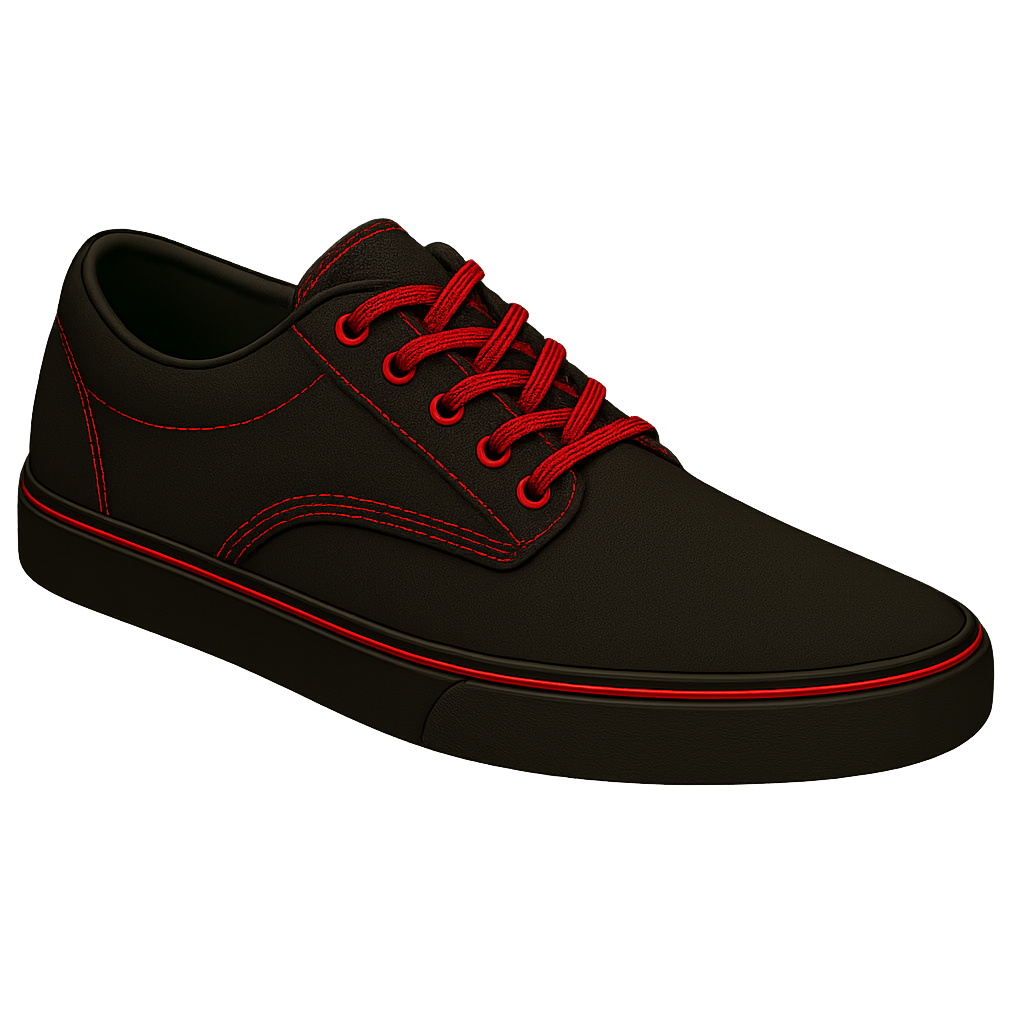
 Why is finding shoes difficult?
Lymphoedema can sometimes cause swelling in your feet and or toes, making it difficult to find comfortable and appropriate shoes to wear. Usually the swelling makes your feet wider not longer in length so, going up a size might not always help.
On the LYMPROM© (the questionnaire on how lymphoedema upsets you), over half of our patients reported that it is a struggle to get shoes and clothes that fit and it significantly affects day-to-day living. Therefore, it is clearly something that impacts many of you a great deal.
This page is a summary of how other people with lymphoedema have coped and some of their ideas. There are also some recommendations in looking after your feet and links for suppliers you may find useful.
 Why can’t I just wear my usual shoes?
If you have lymphoedema in your feet, you may find that your usual shoes will feel tighter than usual. If they are too tight, they may cause rubbing or blisters on your skin putting you at risk of infection. It will also be very uncomfortable to walk. Sometimes the straps will no longer fit over the top of your foot or ankle and will not close, so the shoe is unstable.
If your shoes are too big then the lymphoedema can pool in places that makes the swelling worse. Remember if your shoes do not fit properly, you are at a higher risk of falling.
 What should I look for when choosing shoes?
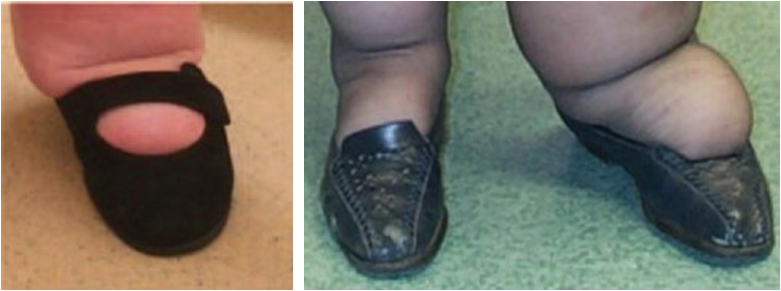
It’s important to find the most supportive shoe possible, that can adapt to your swelling and won’t cut into your skin and cause further problems, such as these images below:
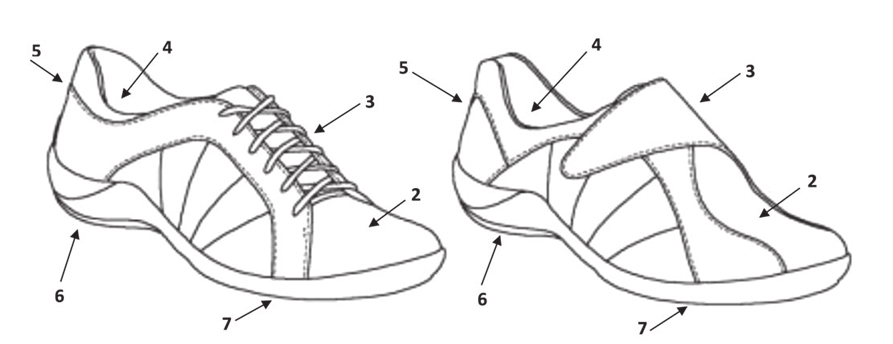
Look out for specific design features such as:
- Size - There should always be approximately 12mm (1/2") from the end of the longest toe to the end of the shoe.
- Width & Depth - Enough depth and width at the ball of your foot ensures enough room to accommodate your toes and any other orthoses.
- Fastening - A secure fastening is preferable; such as lace up or Velcro.
- Inlay/Insole - Check the footwear to see if the inlay/insole can be removed. Removable inlays/insoles can offer extra depth to accommodate other orthoses.
- Heel counter - Should be firm and offer support to the heel.
- Heel height - The heel height should be no higher than 30mm (1¼") and avoid narrow heel base.
- Sole profile - Should provide good grip and shock absorption. It is helpful to consider sole units that have a good degree of cushioning and are sufficiently thick to protect the feet should a sharp object be stood upon.
Some people like wide or extra wide fitting shoes that come with extender straps at the front. Others prefer lace up shoes or Velcro boots that can be easily adjusted to create more room. If laces are difficult to reach or do up, consider the option of elastic laces, many brands are available.
- Slippers are okay to wear but remember the rule of ensuring they must fit well as above and be supportive around the heel and closed in at the toes for protection. Some people keep a second pair of their favourite shoe as a “house shoe”.
- When it comes to trying on your shoes remember your swelling can increase over the course of the day so morning might not be the best time to try them on.
 What should I avoid when choosing shoes?
- Poorly fitting, non-supportive footwear like flip-flops or mule slippers allow the feet to flop around and increase the risk of falls.
- Slip on shoes are rarely going to be suitable and can increase your risk of falls.
- Although lots of people love to wear sandals and flip flops in the summer, we do recommend covered shoes to protect from rain and dirt as you may be vulnerable to infections.
- Wearing heels above the suggested height.
- Avoid shoes that have thin straps across the front of the feet as it may cause the swelling to spread either side of the strap like the photo below.
 Can I not just trim my existing shoes to fit?
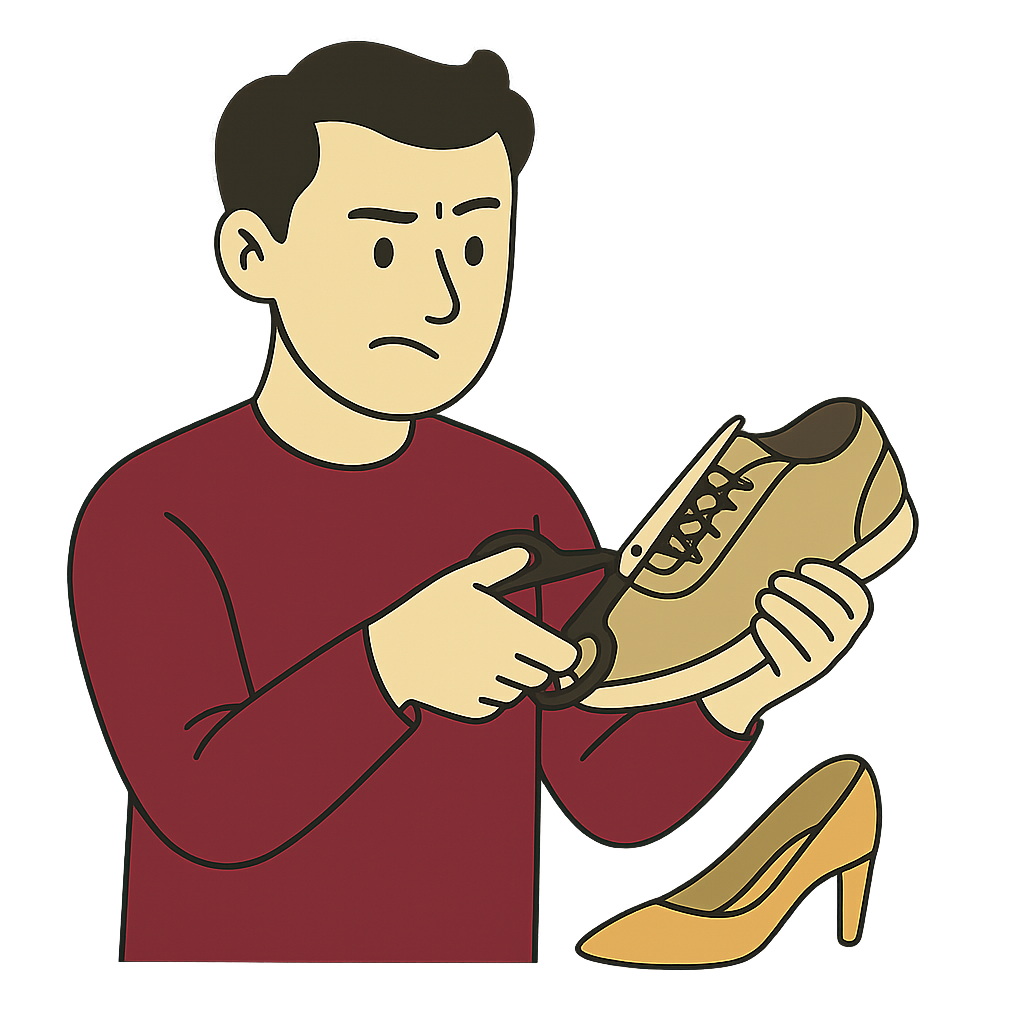
Avoid cutting the shoe to force it to fit; this will cause the fluid to build in the foot (see the photo above).
A badly fitted “strap”/shoe can cause pooling of fluid in the feet. We want the fluid travelling back up the leg. Your compression garments will promote this but a well-fitted shoe will help.
 Is there anything else I can do to keep my feet as well as possible?
Yes. The aim here is to promote comfort and reduce the risk of infection.
- Wash and dry your feet regularly especially in between the toes. If you have any moist areas in between your toes that are itchy, it may be a fungal infection. Ask your pharmacist for advice.
- Moisturise your skin on your feet to to prevent any hard skin.
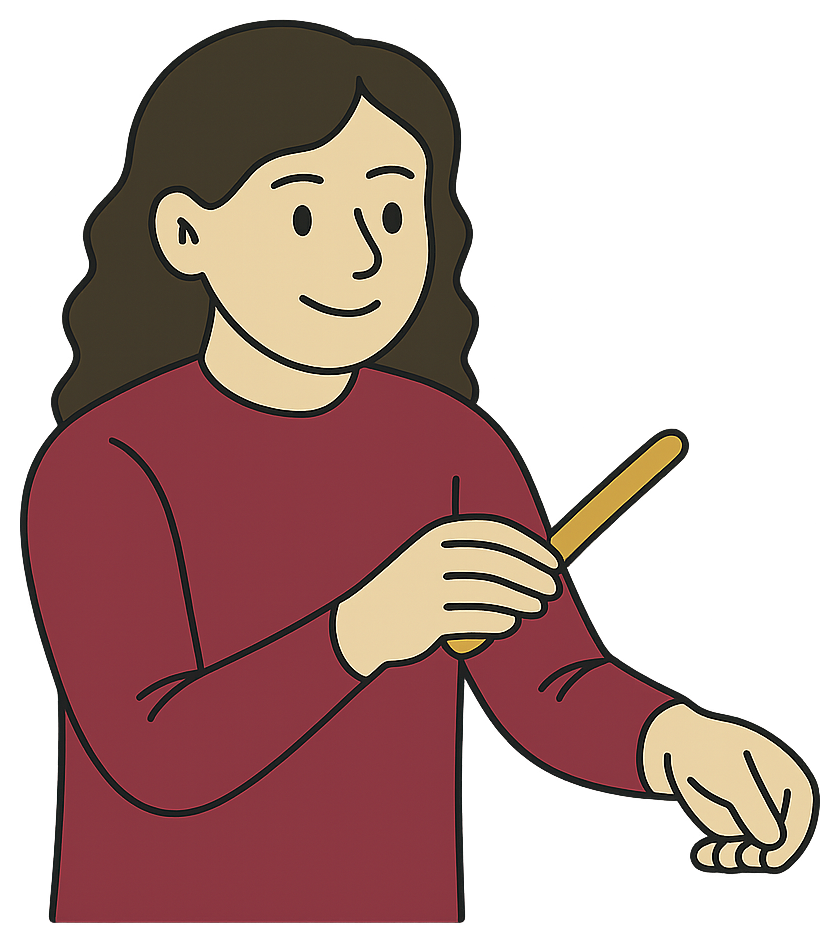
- Nails that are too long can cause discomfort and affect how your shoes fit; they can also dig in and be an infection risk. It is best to maintain your nails with an emery board weekly, to avoid any risk of cutting your skin.
- If you cannot maintain your nails yourself, you may need to seek support from others to do so.
- Remember, you can also use a mirror or your phone, to check the condition of your feet.
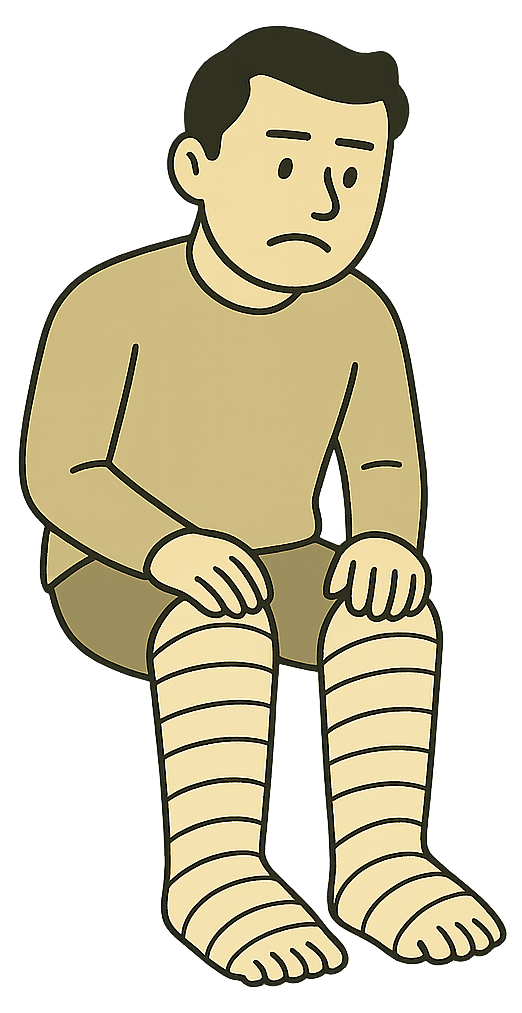 What am I supposed to wear on my feet if I am having bandaging to manage my lymphoedema?
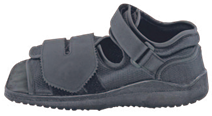
To help you keep you safe on your feet during bandaging we can supply you with “bandaging shoes” on prescription like the one in the picture. Please be aware these are only to be used while you need bandaging. Your lymphoedema therapist will advise you.
 Where have other people said they have found shoes to fit?
Most people with lymphoedema have tried lots of different manufacturers or shops to find what worked for them. High street stores and supermarkets are a great place to start, however many found that online shops made it easier. It is worth noting some of these retailers might have a stockist near you, so if you prefer to “try before you buy” have a little google search to see where the nearest shop is to you and you can then contact them directly.
The list of retailers below is based on patient recommendations - so we hope the links below will give you a good list of retailers to choose from. It is not exhaustive and we would love your feedback if you have found one that you would recommend.









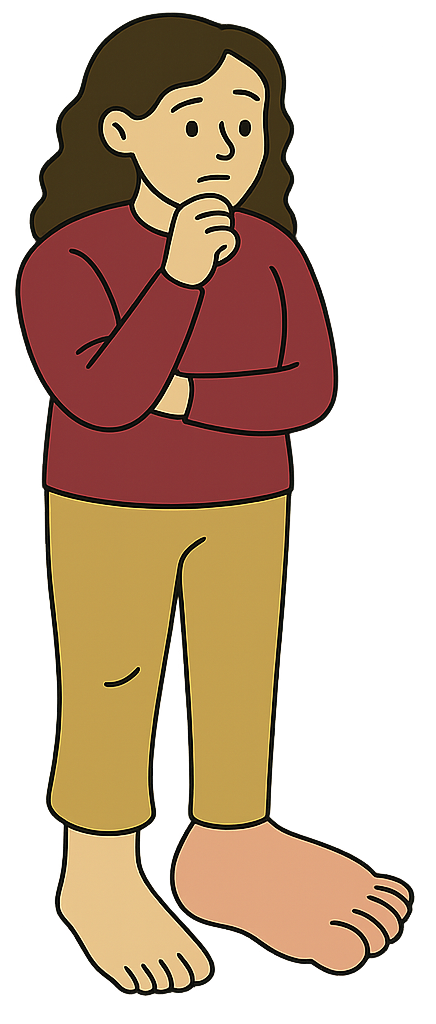 What about times when one foot is more swollen than the other?
Sometimes if the size difference is not too great, an insole can be an option. However occasionally one foot is completely a different size to the other. Some shops will help with this problem and will give a discount if you need two different sized shoes. We have popped links below of two companies we know offer this service (please tell us if you know of others).

*The above links open pages on third party websites and some content may not be available in Welsh.